
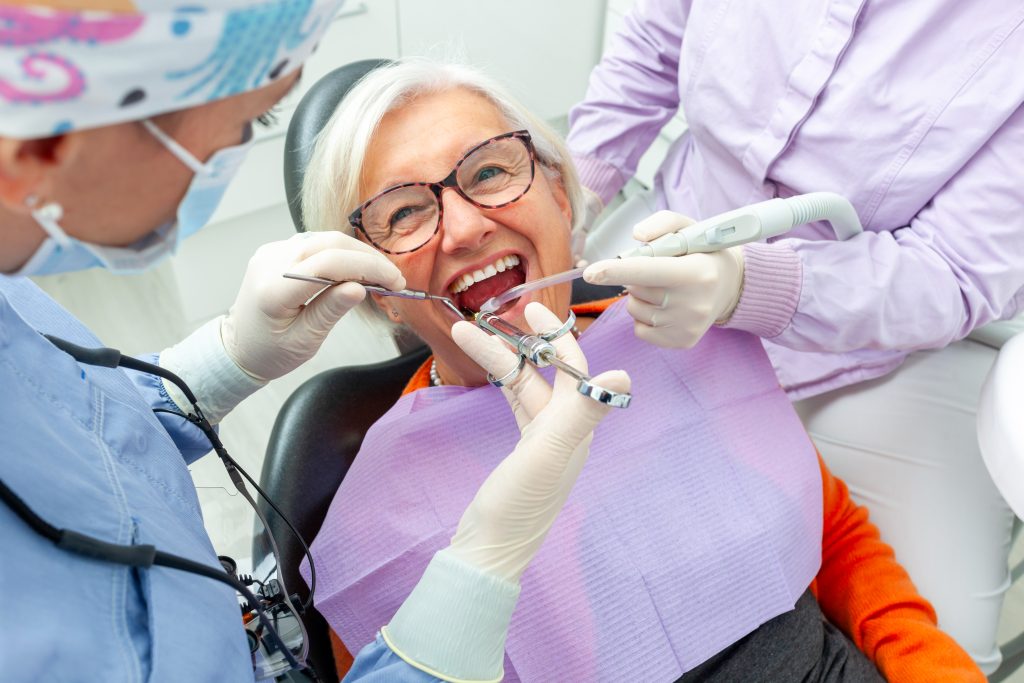
You’ve finally finished your gum disease treatment, and you feel a sense of relief. However, real success doesn’t end there. To keep your mouth healthy, periodontal maintenance is the most important step you must take next.
Think of your gums as the foundation of a house. If the foundation fails, the entire structure is at risk. In this article, we will explain how this specialized care prevents severe infections from returning.
Table of contents
What is periodontal maintenance?
Periodontal maintenance is a specialized clinical procedure designed to monitor and manage gum health in patients who have previously suffered from periodontitis. Unlike a standard cleaning, this treatment cleans deep beneath the gum line to prevent bacteria from damaging the bone again.
Quick Answer: Periodontal maintenance is a recurring appointment where a specialist removes tartar and bacteria buildup from deep “pockets” in the gums. Its goal is to keep periodontal disease under control, preventing it from reactivating and leading to tooth loss.
Why is periodontal maintenance necessary?
Periodontitis is a chronic disease. This means that even though it can be stopped, there is always a risk that bacteria will return to the areas where the infection once lived.
We perform this procedure to stabilize your initial treatment results. Without these appointments, bacteria hide in places your toothbrush cannot reach, destroying the support of your teeth without you ever feeling pain.
Primary Benefits:
Prevents inflammation and bleeding.
Prevents long-term tooth loss.
Controls bad breath (halitosis).
Protects your overall health (linked to heart health and diabetes).
Learn about our Periodontics services in Panama
Tabla de contenidos
How is periodontal maintenance performed?
This process is meticulous and utilizes precision technology to ensure your comfort. There is no need for fear; our goal is to make it a painless and effective experience.
Evaluation: We measure the depth of your gums to check for new “pockets.”
Professional Cleaning: We remove surface tartar from the teeth.
Subgingival Disinfection: We use specialized tools to clean below the gum line.
Polishing: We smooth the tooth surface to make it harder for bacteria to stick.
What does a periodontal maintenance program involve?
A maintenance program is a shared commitment between you and your dentist. It is not just a single appointment but a follow-up plan tailored to your needs so you don’t have to undergo painful surgeries again.
This program includes constant reviews of your brushing technique and the use of specific tools, such as interdental brushes. Your periodontist will adjust the frequency of these cleanings based on how your gums react over time.
Book your evaluation appointment here
How often should it be done and how does it differ from a regular cleaning?
Many patients ask if a “standard cleaning” is enough. The short answer is no. Here are the fundamental differences:
| Feature | Dental Cleaning (Prophylaxis) | Periodontal Maintenance |
| Patient Type | People with healthy gums. | Patients with a history of periodontitis. |
| Depth | Tooth surface and gum line. | Below the gum line (roots). |
| Frequency | Every 6 months. | Every 3 to 4 months (usually). |
The frequency of periodontal maintenance is usually higher (every 3 months) because the aggressive bacteria associated with periodontitis take about 90 days to recolonize your mouth.
Conclusion: Your smile deserves stability
Periodontal maintenance is the life insurance for your teeth. By attending these appointments, you are investing in your health, confidence, and long-term savings by avoiding serious complications.
At our clinic, we are ready to guide you through this process with advanced technology and exceptional care. Don’t let the disease return; keep your gums strong and your smile healthy today.
Frequently Asked Questions (FAQ)
No. It is generally a comfortable process. If you have significant sensitivity, we can apply topical or local anesthesia so you feel absolutely nothing during the deep cleaning.
The cost is much lower than a full periodontal treatment or a dental implant. It is the most cost-effective way to prevent tooth loss and expensive surgeries in the future.
The risk of the infection reactivating is very high. Without professional control, periodontal pockets fill with bacteria again, which can cause tooth mobility within a few months.
An average session lasts between 45 and 60 minutes. This time is dedicated exclusively to disinfecting the critical areas of your mouth to guarantee your gingival health.

