
Oral Rehabilitation In Panama
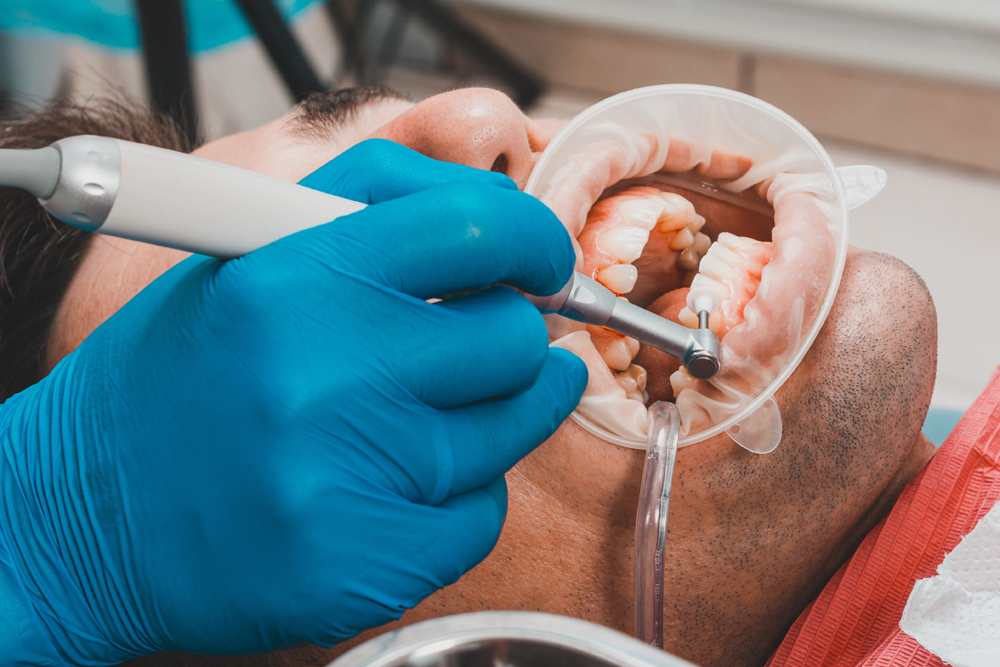
Do you have worn, broken, or missing teeth? Schedule an oral rehabilitation evaluation and discover which treatment can help restore your smile.
Oral rehabilitation covers a wide range of treatments to restore the aesthetics and functionality of teeth.
The Oral Rehabilitation In Panama is typically recommended for patients who have suffered damage to teeth and/or support tissue. At our clinic in Costa del Este, we are able to treat your needs with a variety of high quality, biocompatible and secure materials to repair and restore your teeth.
For patients with multiple missing teeth, worn teeth and/or periodontal disease, Dental One offers full mouth rehabilitation to improve teeth function and aesthetics in the hands of renowned specialists.

When Do You Need Oral Rehabilitation?
You may need oral rehabilitation if you have:
Worn teeth caused by bruxism or teeth grinding.
Broken, fractured, or weakened teeth.
One or more missing teeth.
Difficulty chewing.
Jaw pain or fatigue.
An unstable bite.
Old or uncomfortable dentures.
Damaged crowns or bridges.
Teeth with deep cavities that need reconstruction.
Significant cosmetic changes in your smile.
If you have worn, broken, or missing teeth, schedule an evaluation. At Dental One, we can help you understand the best options to restore function and aesthetics.
Cases Where Oral Rehabilitation Can Help
Oral rehabilitation may be recommended when your teeth have lost structure, function, or stability. Each case is evaluated individually to determine whether you need a reconstruction, crown, bridge, denture, dental implants, or other treatments.
Deep Cavities
When a cavity affects a large part of the tooth or reaches the nerve, root canal treatment may be needed before rebuilding the tooth with oral rehabilitation.
Broken or Fractured Teeth
Trauma, bruxism, or dental wear can weaken enamel and cause fractures. In these cases, rehabilitation helps restore shape, strength, and function.
Missing Teeth
When one or more teeth are missing, options such as dentures, bridges, or dental implants may be considered to restore your bite and prevent the remaining teeth from shifting.
Tooth Wear
Wear caused by grinding, erosion, or bite problems can affect both aesthetics and function. Oral rehabilitation can help rebuild the height, shape, and balance of the teeth.
Treatments That May Be Included in Oral Rehabilitation
Dental Crowns
Crowns cover and protect weakened, fractured, or restored teeth. They work like a custom-made “cap” designed to restore shape and strength.
Dental Bridges
Bridges replace one or more missing teeth by using neighboring teeth or implants for support. They help restore chewing and prevent tooth movement.
Dentures
Dentures can be removable or fixed, depending on the case. They are used when several teeth are missing and function and aesthetics need to be restored.
Dental Implants
Dental implants can replace missing teeth with a fixed and stable solution. In some cases, they are part of a complete oral rehabilitation plan.
Dental Reconstructions
When a tooth is weakened but can still be preserved, it may be rebuilt with aesthetic and resistant materials.
CAD/CAM Technology for More Precise Oral Rehabilitation
CAD/CAM technology helps us plan dental restorations with greater precision. Through a digital scan, we can create a 3D model of your mouth and design personalized treatments to improve fit, function, and aesthetics.
For you, this means a more comfortable process, clearer planning, and restorations designed according to the unique characteristics of your smile.

What Is the Oral Rehabilitation Process Like?
It is essential to carry out detailed planning of every step in each case for a successful oral or dental rehabilitation procedure to succeed.
Prior to the procedure, we must map out every phase of the treatment, considering possible setbacks which could slow down or affect the treatment in any way.
Initial Evaluation
We examine your teeth, gums, bite, previous restorations, and aesthetic needs. We may also request X-rays, photographs, or digital scans.
Diagnosis and Treatment Plan
We define which treatments you need, the order in which they should be performed, and how long each phase may take.
Cleaning and Infection Control Phase
Before restoring your teeth, it is important to prepare the mouth. This may include dental cleaning, periodontal treatment, root canal treatment, or extraction of teeth that cannot be preserved.
Surgical Phase, If Needed
In some cases, bone regeneration, grafting, or dental implant placement may be needed.
Placement of Restorations or Prostheses
Finally, we place crowns, bridges, dentures, or other restorations designed to restore function and aesthetics.
What Is Complete Oral Rehabilitation?
Complete oral rehabilitation is a comprehensive treatment designed to rebuild the function, aesthetics, and balance of the entire mouth. It may be needed when there are multiple worn, broken, or missing teeth, or when the bite has lost stability.
It may be recommended if you have:
Severely worn teeth.
Several missing teeth.
Old or damaged restorations.
Jaw pain.
Difficulty chewing.
Muscle sensitivity.
Jaw clicking.
Significant changes in your smile.
Oral Rehabilitation, Dental Implants, or Smile Design?
Although these treatments may be related, they are not exactly the same.
| Treatment | What It Is For |
|---|---|
| Oral Rehabilitation | Restores function, bite, and aesthetics when teeth are damaged, worn, or missing. |
| Dental Implants | Replace missing teeth using an artificial root and a crown. |
| Smile Design | Mainly improves the appearance of the smile, while still respecting function. |
| Dentures | Replace several missing teeth with fixed or removable prosthetic options. |
Frequently Asked Questions About Oral Rehabilitation in Panama
Oral rehabilitation is the dental area that restores damaged, worn, or missing teeth to recover function, aesthetics, and bite stability. It may include crowns, bridges, dentures, implants, and dental reconstructions.
You may need oral rehabilitation if you have broken, worn, or missing teeth, old dentures, difficulty chewing, jaw pain, or an unstable bite. A complete dental evaluation is needed to confirm the right treatment plan.
It should not hurt during the procedures because anesthesia and comfort-focused techniques are used when necessary. Mild discomfort may occur depending on the treatment, but the goal is to make the process safe and comfortable.
The timeline depends on the case. A simple rehabilitation may require only a few appointments, while complete oral rehabilitation with implants, dentures, or previous treatments may take several weeks or months.
Yes. When teeth are missing, dental implants may be part of an oral rehabilitation plan to restore stability, function, and aesthetics.

